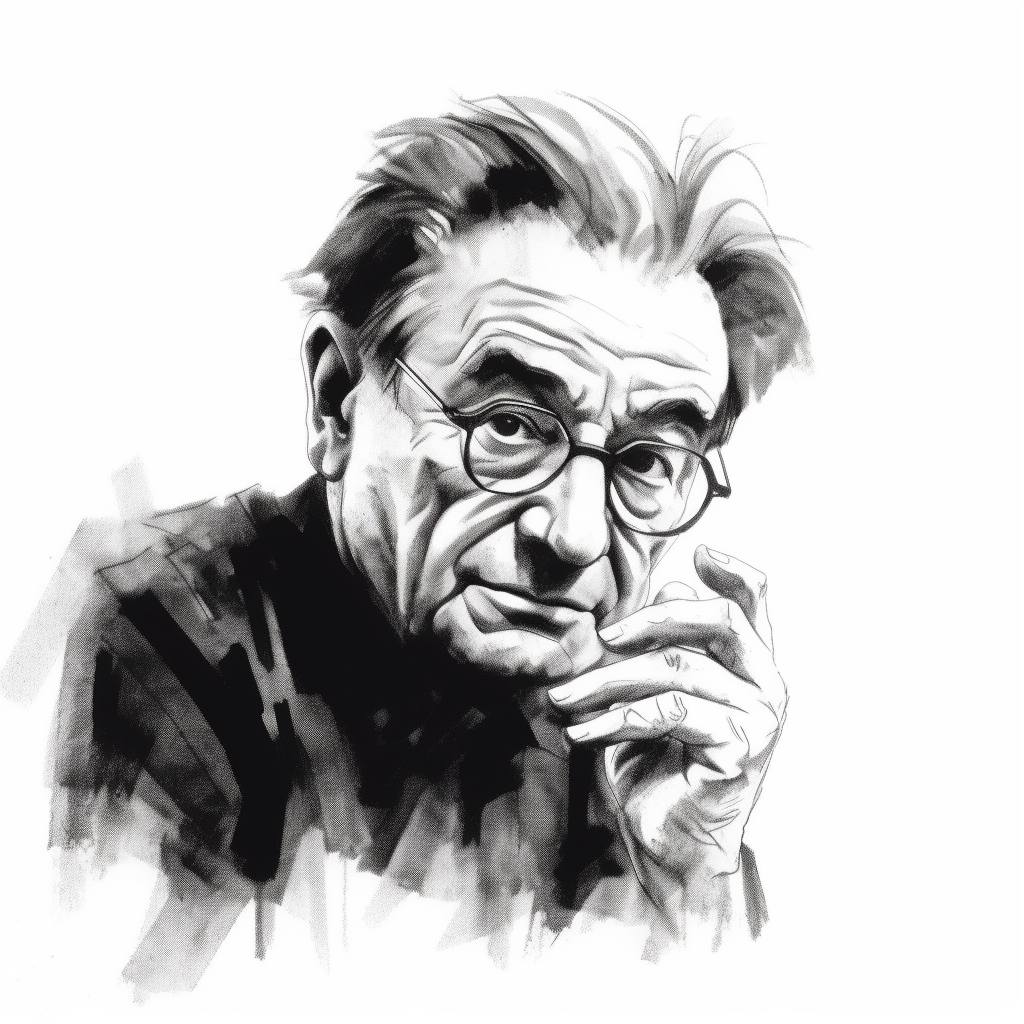
Erich Fromm’s ‘To Have or To Be?’ is a profound exploration of two modes of existence that permeate our personal and social lives. The ‘having’ mode, as Fromm describes, is characterized by material possession, aggression, and a focus on self-interest. It is a mode that is often associated with consumerism and the capitalist ethos.
On the other hand, the ‘being’ mode is characterized by a focus on experience, sharing, and caring for others. It is a mode that is more aligned with spiritual and existential values. Fromm argues that modern society, particularly Western society, is overly focused on the ‘having’ mode, which leads to a range of social and personal issues, including alienation, loneliness, and emptiness.
Some might argue that Fromm’s critique of the ‘having’ mode is a critique of capitalism itself, suggesting that the system inherently promotes materialism and self-interest over communal and spiritual values. Others might argue that Fromm is not necessarily critiquing capitalism, but rather the way it is practiced and the values it often promotes.
Fromm suggests that a shift from ‘having’ to ‘being’ is necessary for individual and societal well-being. This shift involves a change in our relationship with ourselves, others, and the world around us. It requires us to value experiences over possessions, relationships over status, and being over having.
However, some might argue that this shift is not as straightforward or as universally applicable as Fromm suggests. The ‘being’ mode might not be inherently superior to the ‘having’ mode, but rather, a balance between the two might be necessary. Others might argue that the ‘being’ mode is indeed superior, but achieving it requires systemic changes that go beyond individual efforts.
In conclusion, ‘To Have or To Be?’ is a thought-provoking exploration of our modes of existence and their implications for our personal and societal well-being. It invites us to reflect on our values, our relationships, and the kind of society we want to live in.