“Seeing Is Forgetting the Name of the Thing One Sees” is a comprehensive exploration of the life and work of renowned artist Robert Irwin. Written by Lawrence Weschler, the book was first published in 1982 and then expanded in 2008. Lawrence Weschler, was influenced by his direct interactions with Irwin and his work. Weschler spent many hours interviewing Irwin and observing his artwork, which greatly influenced the direction and focus of the book.
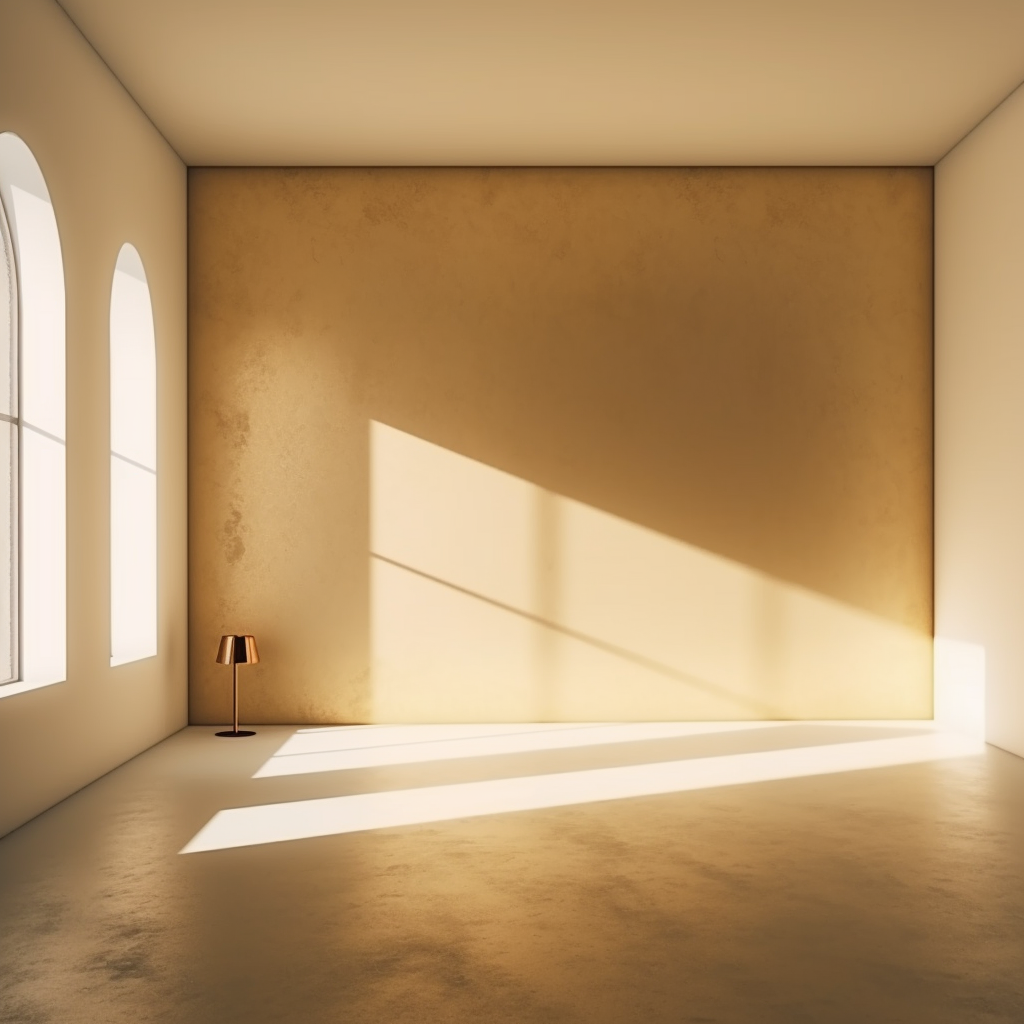
Robert Irwin is famous for his contributions to the Light and Space movement of the 1960s, a form of minimalist art that was focused on perceptual phenomena, such as light, volume, and scale. He is known for creating art that manipulates the effects of light and space to create a sensory experience for the viewer. His work often blurs the boundaries between art and the environment in which it is displayed, challenging conventional understandings of the role and function of art.
The book traces Irwin’s development as an artist, from his early days in the abstract expressionist and Ferus Gallery scenes in Los Angeles in the 1950s and 60s, through the 1970s, when he began creating room-sized installations that manipulated the effects of light and space.
Weschler explores Irwin’s philosophy of art and his commitment to the principle of “presence,” the idea that the experience of art should be in the observer’s direct physical and sensory experience of the work in the here and now. This is a significant shift from the traditional idea that art should represent something else, hence the title of the book: “seeing is forgetting the name of the thing one sees”.
Throughout the book, Weschler paints an intimate portrait of Irwin, showing how his unconventional and questioning approach extended into his everyday life. The book is less about the products of Irwin’s creativity and more about his artistic process, his way of seeing and understanding the world.
In all, “Seeing Is Forgetting the Name of the Thing One Sees” offers readers an in-depth look at the journey and philosophy of one of the most important and groundbreaking artists of the 20th century. It’s a must-read for anyone interested in contemporary art.