In the realm of philosophy and consciousness studies, few authors have made as significant an impact as Gary Lachman. An American author with a rich background in philosophy, consciousness, and the occult, Lachman has consistently challenged conventional perspectives on reality. His 2017 book, “Lost Knowledge of the Imagination,” serves as a testament to his commitment to exploring alternative ways of understanding the world.
The Power of Imagination
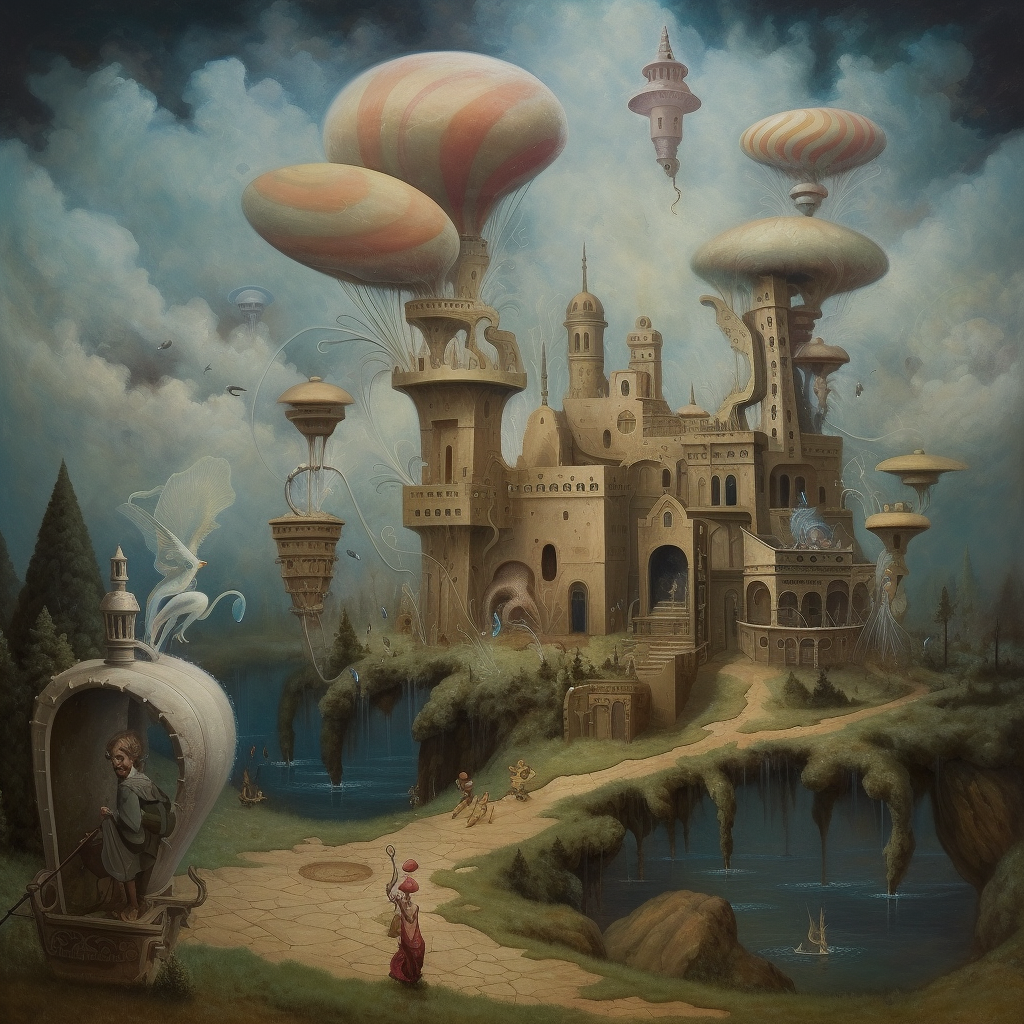
At the heart of “Lost Knowledge of the Imagination” is a compelling argument: imagination is not merely a tool for creativity, but a fundamental means of perceiving and interacting with reality. Lachman posits that imagination has its own kind of knowledge, a knowledge that has been lost or disregarded in our modern, rationalistic world.
Historical and Philosophical Perspectives
To substantiate his argument, Lachman delves into the works of various philosophers, writers, and artists, including Goethe, Blake, Coleridge, Rudolf Steiner, and Owen Barfield. These figures, each in their own way, emphasized the role of imagination in shaping our perception and understanding of the world. Through their works, Lachman illustrates how imagination has been a vital part of human consciousness throughout history.
Imagination vs. Materialism
One of the most striking aspects of Lachman’s book is his contrast between the imaginative view of reality and the materialistic view that dominates much of modern thought. He argues that the materialistic view is limited, offering a narrow perspective of the world. On the other hand, imagination opens up new ways of understanding reality, allowing us to perceive the world in its full richness and complexity.
The Transformative Power of Imagination
Lachman doesn’t just argue for the importance of imagination; he also highlights its transformative power. By changing how we see the world, imagination can fundamentally alter how we interact with it. This transformative power has been largely forgotten in our modern culture, a culture that often values rationality over creativity.
Reviving Imagination
The ultimate aim of “Lost Knowledge of the Imagination” is a call to action. Lachman urges us to restore the lost knowledge of the imagination, to recognize and cultivate our imaginative faculties. By doing so, we can open up new ways of seeing and understanding the world, enriching our lives and our culture in the process.
Conclusion
“Lost Knowledge of the Imagination” is more than just a book; it’s a testament to the power of imagination and a call to rediscover this lost knowledge. In a world increasingly dominated by materialistic perspectives, Lachman’s work offers a refreshing and much-needed alternative. By embracing our imaginative faculties, we can transform not only our perception of the world but our interaction with it.